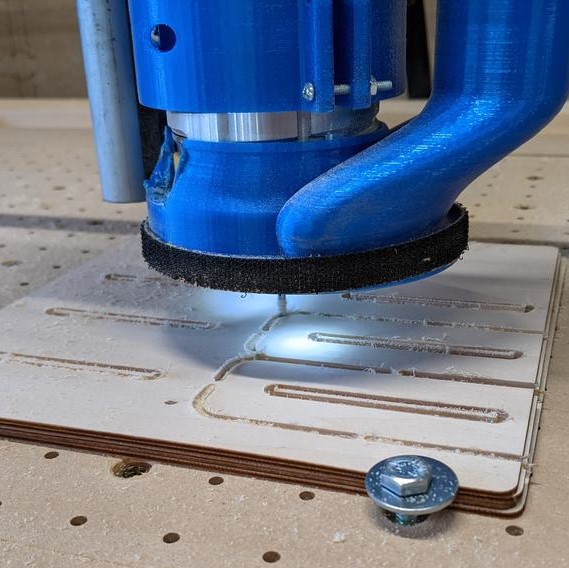
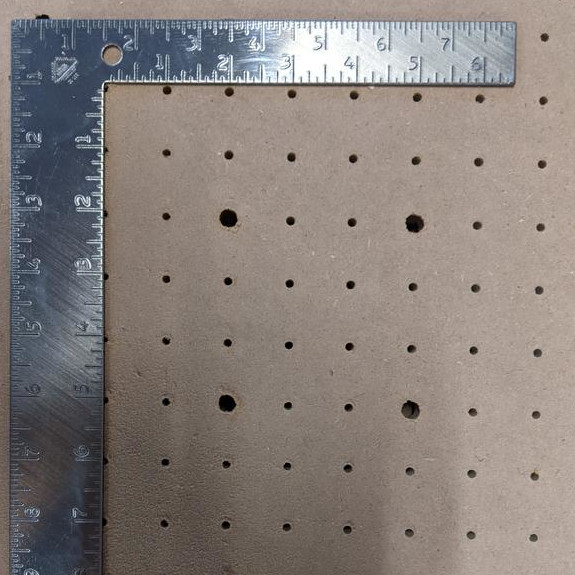
After a two week hiatus from the MPCNC, I got the itch to get back to making things. I wanted to salvage the spoilboard as much as I could, level it out, and create a few clamps to make workpiece holding a little easier.
In the process of creating a spoilboard for the MPCNC, I came across several lingering issues with the machine that needed to be resolved. It ended up being an opportunity to correct a bunch of broken bits, tighten up nuts and bolts that had loosened, and come to terms with an accuracy problem I had been ignoring.
This project also gave me a chance to try a new method of documentation, and learn a lot about what works and doesn’t work for my creative workflow.
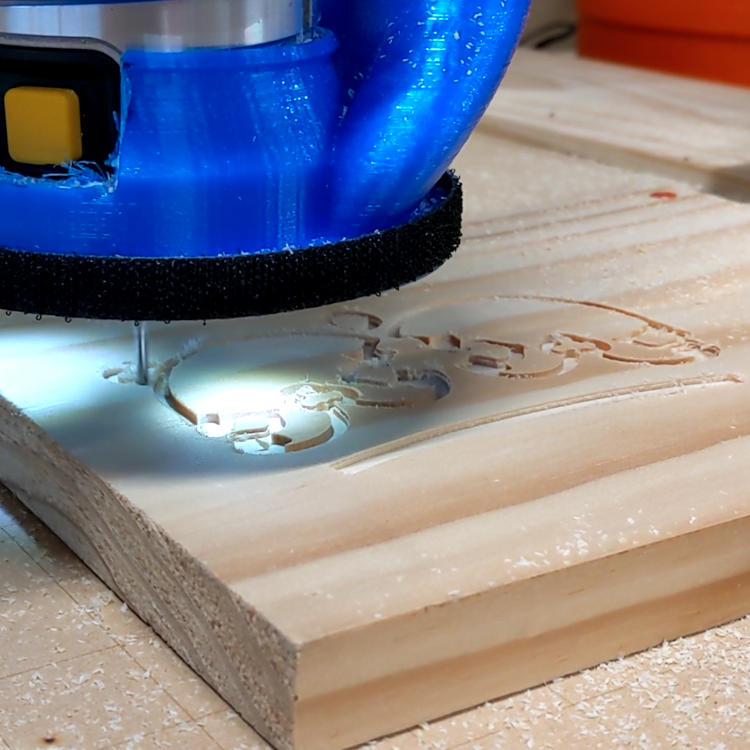
After a few years of rebuilds, teardowns, and tool changes, I am finally adding a router to my MPCNC. I have been wanting to work more with sheet material like wood, acrylic, and even aluminum if I can get the hang of using this tool.
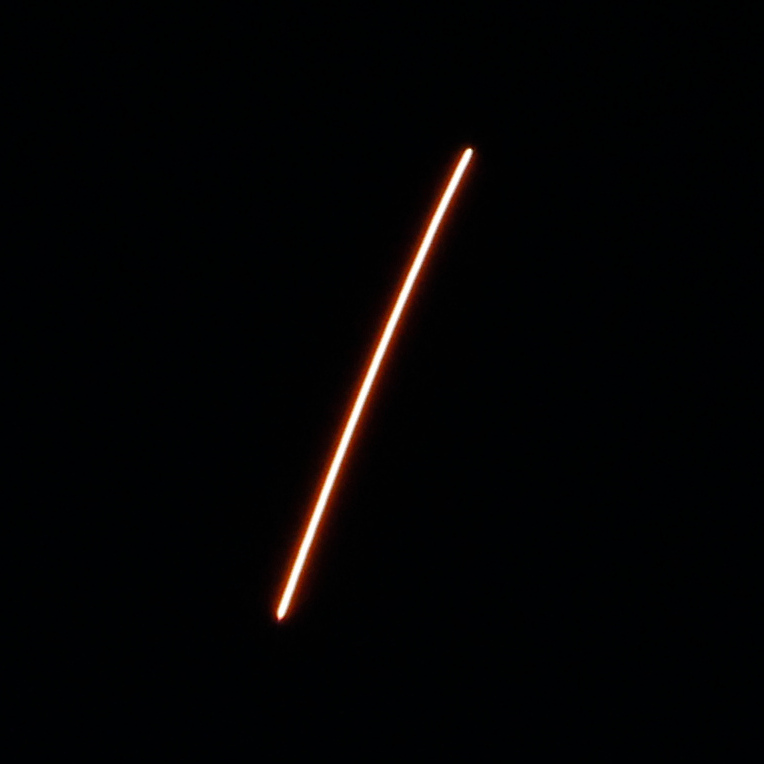
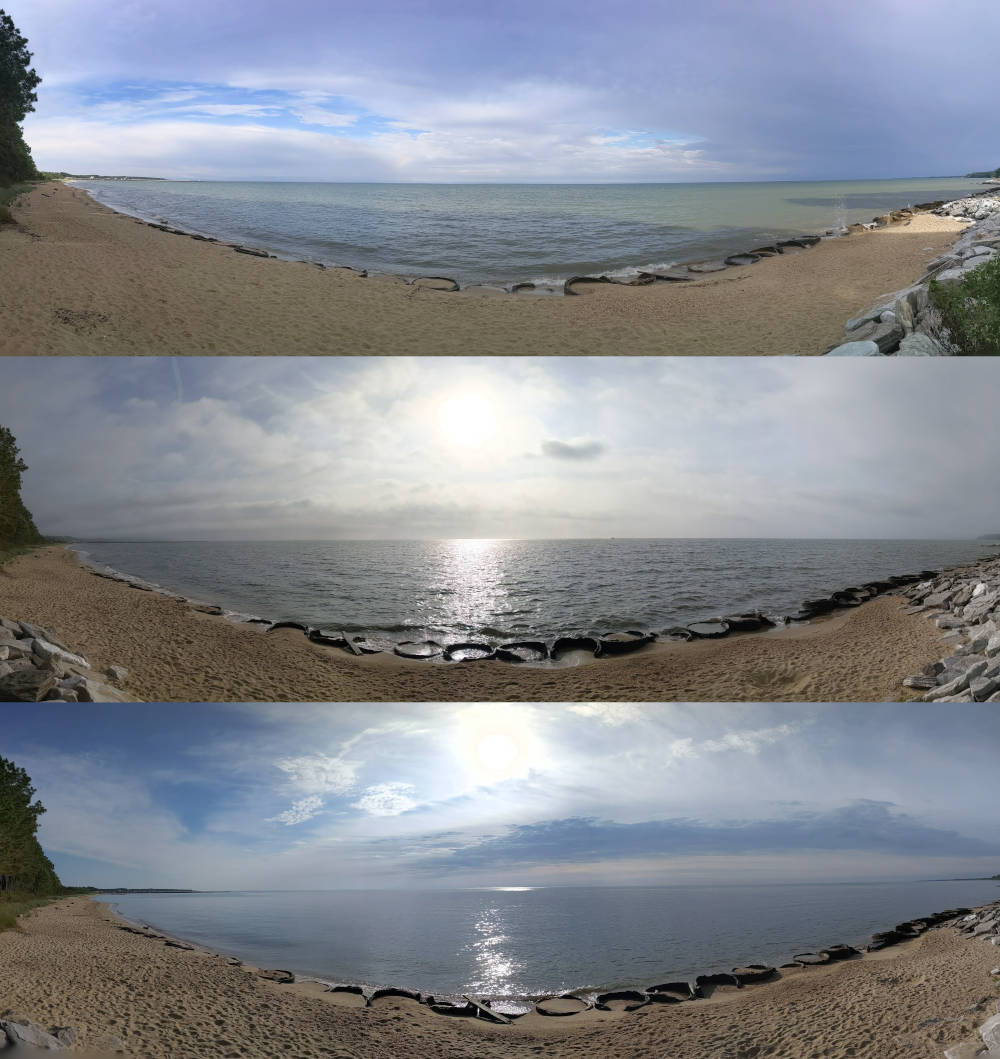
This weekend, I got a chance to see the Antares rocket take off from Wallops Flight Facility. The facility is on the Atlantic coast of Maryland, and I am roughly 50 miles away on the west side of the Chesapeake. The mission was a resupply to the International Space Station, carrying cheese, nitrogen, and other essential items.
Camera Setup My wife and I got out there early enough to get my camera setup, a simple tripod holding a Canon T3i with a 55-250mm zoom lens.
This blog is built using Hugo, a static website generator designed for quick build times and easy deployment. A static website requires no server backend, since everything is delivered in a static state to the reader (that’s you!). All code is executed on the client machine. I love the lightweight simplicity of a static website, which brings up some nostalgia for the internet of the mid to late 90s, when these types of pages were the norm.
This past week has been a bit slow. I have been preoccupied with a lot of work-related things, and was not in much of a mood to work on the usual hobbies of painting/printing/casting. While I may not have created too much, I spent a lot of time this week taking walks in the neighborhood. I suppose I could say this created a clear headspace from which to move into the next week.
This has been a week with a lot of painting, a little casting, and a bit of thinking about future projects.
Painting Finished Tank Early in the week, I was able to wrap up my Schrek tank build, which gave me a chance to get some experience in basing. The base seen above was the third iteration, where I finally got the spacing between the dirt piles right. This allowed the tank sat on the base instead of floating above the rocks.
It’s been a pretty productive week, and I got a chance to try out a bunch of new things and get some ideas for future projects a bit outside my norm. Here’s a quick recap of what I’ve been up to this week:
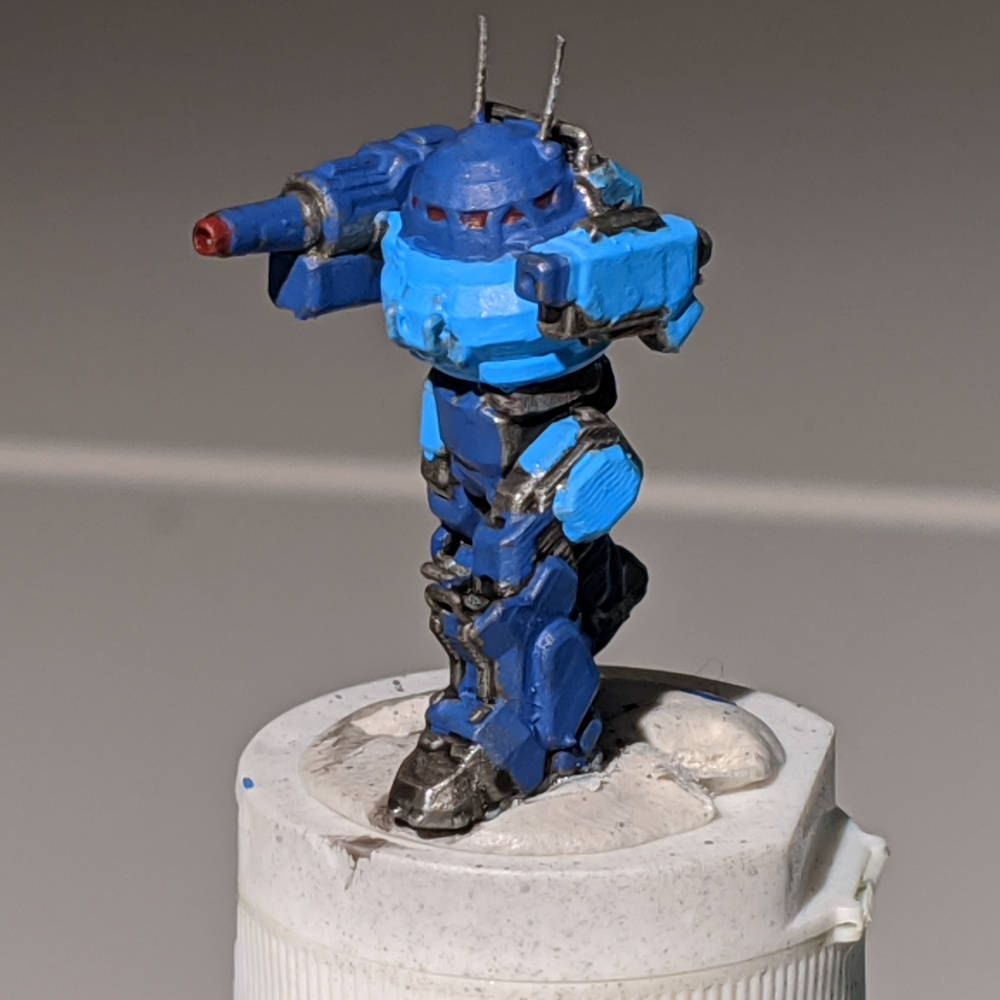
Magnets, Painting with Vallejo, and Basing To make my growing Battletech collection a bit more modular (and to keep from making/buying too many minis) I have been toying with the idea of swappable turrets and weapons for my pieces.
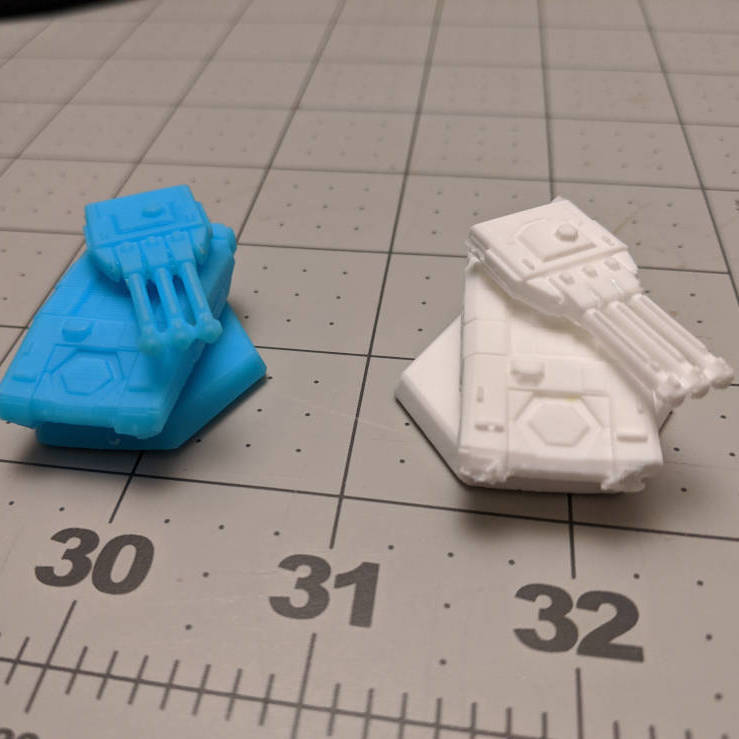
Today, we’re going to take a 3d printed tabletop miniature and replicate it with a two part mold. This will speed of production of a part that would normally take two to three hours, and give us the freedom of different materials and colors.
Two part molds allow us to cast more complex shapes than a one part, or open-face, mold. This open face creates a flat surface on the piece we are making.